

Anterior Cruciate Ligament Reconstruction (ACL)
ACL Rupture (tear) is a common injury. It usually occurs in running ball sports – soccer, football, rugby, netball, and basketball, as well as skiing.
Knee
Knee replacement, arthroscopy, ligament reconstruction and joint injections for arthritis, sports injuries and meniscal tears.
ACL Rupture (tear) is a common injury. It usually occurs in running ball sports – soccer, football, rugby, netball, and basketball, as well as skiing.

Arthroscopy of the knee is a frequently performed procedure for diagnosis and treatment of conditions involving problems of the joint surface (true cartilage), menisci,…
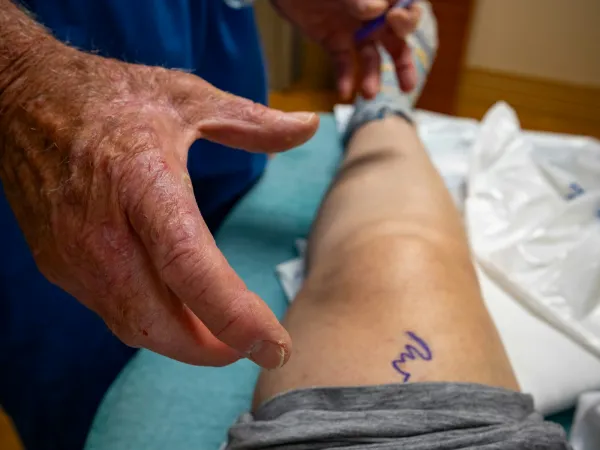
Your surgeon has made the diagnosis of knee osteoarthritis (OA). This is wear and tear of the cartilage in your knee joint.
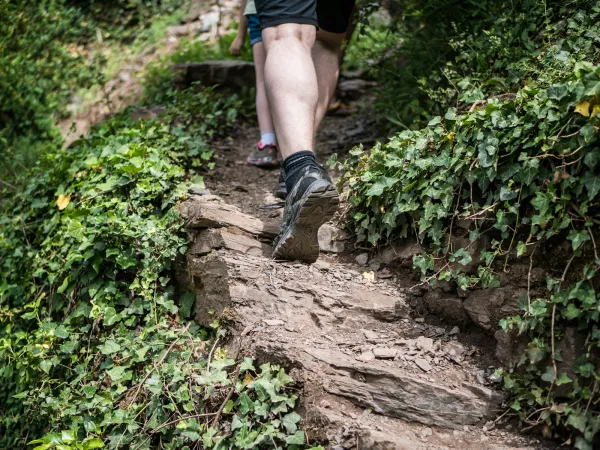
Osteoarthritis (wear and tear arthritis) most commonly affects the inner side of the knee joint.

Meniscal tears are a common injury of the knee often treated with arthroscopic or “Keyhole” surgery.
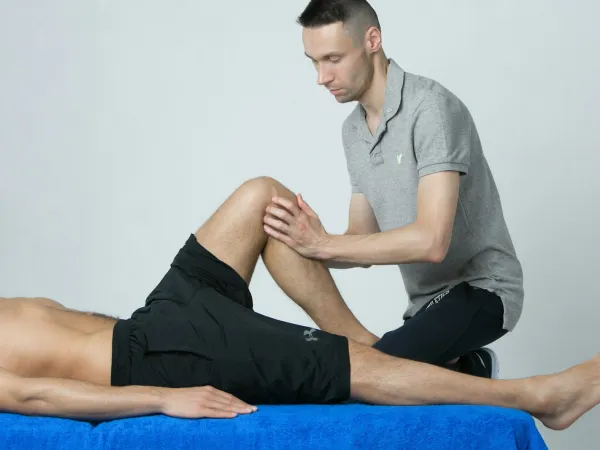
This topic provides an overview of the process from the initial appointment to post-operative treatment and what happens after you are discharged from hospital.
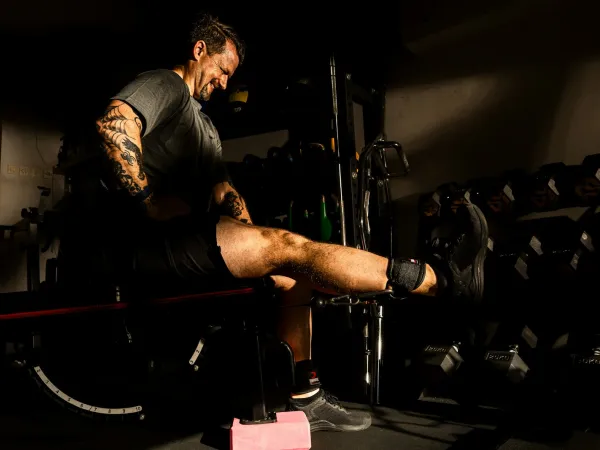
This topic provides an overview of the process from the initial appointment to post-operative treatment and what happens after you are discharged from hospital.
Revision surgery of the knee (redo surgery) is becoming a more frequent problem as the number of patients with joint replacements continues to rise.
Total knee replacement (TKR) has become one of the commonest surgeries that we perform, and has been very successful in alleviating pain and dysfunction in thousands of…

Some patients that are at the stage when they are considering joint replacement may have arthritis that is quite localised to one area, but with the rest of the knee in…
Who treats knee conditions











Answers
Unlike arthritis in the hip, the majority of knee arthritis is caused by injury to the structures within the knee, or wearing out of the cartilage. There are other secondary causes such as infection, malalignment, trauma, dysplasia, inflammatory disease, avascular necrosis, and knee disease often runs in families suggesting an inherited problem. See, Tibial osteotomy.
Possible complications that may occur, but are very low with this procedure, include: 1. Blood clots developing in the legs (deep vein thrombosis) that can travel up to the lungs (pulmonary embolism). Precautions are taken to try and prevent this whilst you are in hospital and after your discharge. 2. Infection; the chances of this are low and precautions are taken reduce this risk. See, Anterior Cruciate Ligament (ACL) Reconstruction
You can return to sporting activities nine months after this procedure. See, Anterior Cruciate Ligament (ACL) Reconstruction
A physiotherapist will see you whilst you are in hospital and when you are discharged. After discharge, arrangements will be made for you to have physiotherapy at a place convenient to you. You will need physiotherapy twice a week for the first six weeks after this procedure, and then less frequently for six months after surgery to completely rehabilitate the knee. See, Anterior Cruciate Ligament (ACL) Reconstruction
There will be a moderate amount of swelling after the operation for the first 2–3 weeks, particularly above the kneecap. See, Anterior Cruciate Ligament (ACL) Reconstruction
Walking and normal daily activity is encouraged after TKR, but impact sport is probably damaging. If you are to have any invasive procedures after a TKR such as dental work, bowel surgery etc. please inform your treating professional that you have a joint replacement, as you may need to be given antibiotics to protect the prosthesis from infection. The highest risk for this is within the first three months. See, Total knee replacement.
The sutures will be removed 10–14 days after surgery. See, Anterior Cruciate Ligament (ACL) Reconstruction
You can shower straight away after this operation. You will need to wear waterproof dressings that you will be given in the hospital. If they wash off in the shower, they can easily be reapplied. See, Anterior Cruciate Ligament (ACL) Reconstruction
Most people need 14 days off work if they are office-based; however, if you are involved in physical work, you will need at least 6 to 12 weeks off work. See, Anterior Cruciate Ligament (ACL) Reconstruction
Most people have some weakness in the quadriceps (thigh) muscle after this operation, so a brace will be supplied which may need to be worn for the first two weeks after the procedure. See, Anterior Cruciate Ligament (ACL) Reconstruction
Most people stay in hospital for 24–48 hours after this procedure. See, Anterior Cruciate Ligament (ACL) Reconstruction