

Distal Biceps Rupture
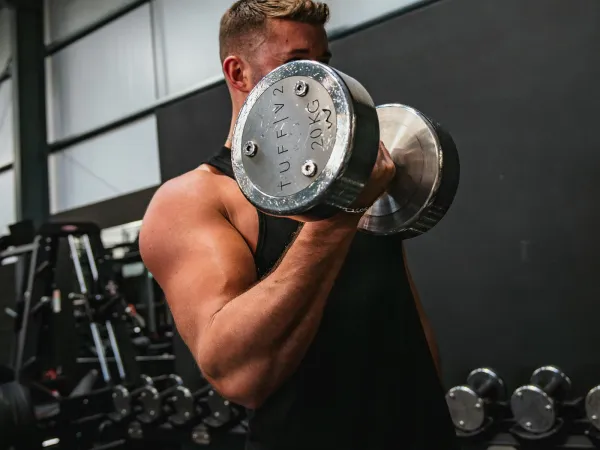
The distal biceps is important for flexing (or bending) your elbow and also for rotating your forearm outwards (supination).
Shoulder & Upper Body
Shoulder replacement, rotator cuff repair, dislocation and elbow surgery to restore movement and relieve pain.
The distal biceps is important for flexing (or bending) your elbow and also for rotating your forearm outwards (supination).
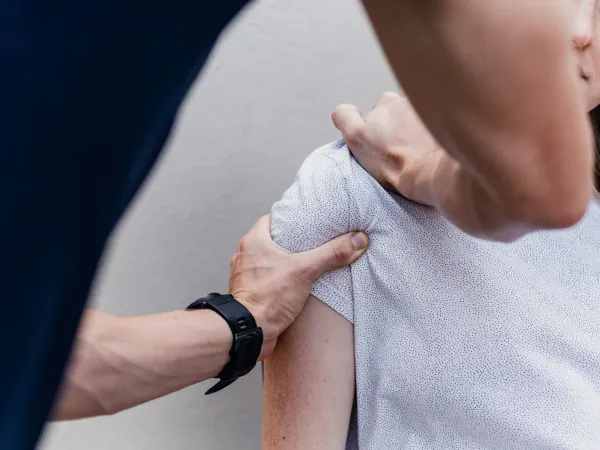
The shoulder is the most mobile of all joints. Unfortunately it can wear out, which is known as Osteoarthritis.

For people who have arthritis of the shoulder and also an irreparable retracted rotator cuff tear.
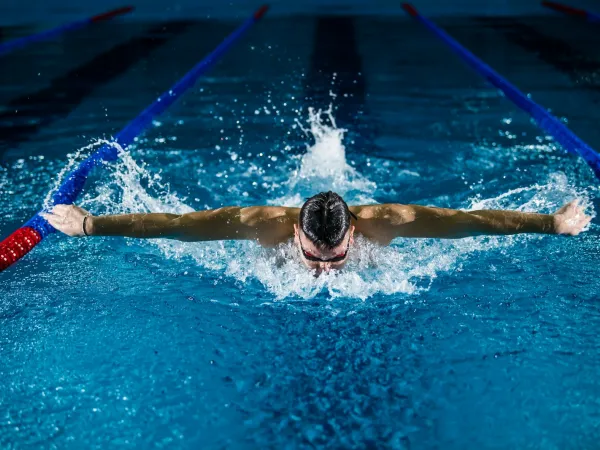
Your shoulder has numerous muscles and tendons controlling movement and stability of the shoulder.
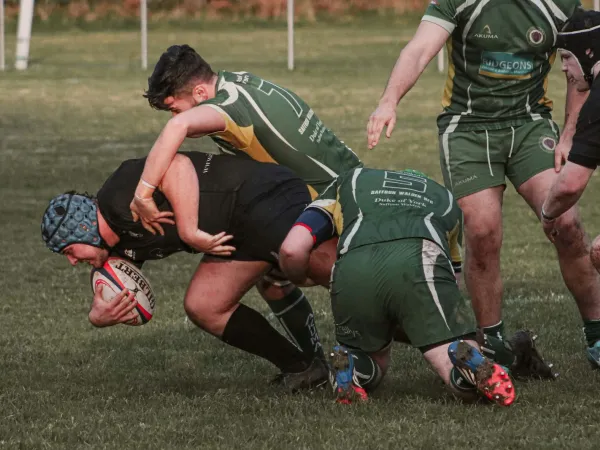
The shoulder is the most flexible and mobile joint in the body. This makes the shoulder vulnerable injury and dislocation.

Shoulder replacements are used to alleviate pain and restore function for people with arthritis.
Who treats shoulder & upper body conditions




Answers
You will have some pain following the surgery but each day this will improve with regular pain relief and as the swelling settles down. It is worth noting that patients who have had this surgery regularly say that while it is painful after the surgery, it is often nowhere near as bad as that which they had before the operation!
Eventually you will need to see a physiotherapist but initially you are considered the best physiotherapist. You will be encouraged to gently start using your arm the day after the operation and will be shown some very simple exercises to do yourself three times a day. You usually start to visit a physiotherapist about six weeks after your operation.
It is expected that the time-span for the prosthesis will be 10–20 years.
Driving a motor vehicle is usually not recommended until two conditions are met:
We do not recommend soaking in a bath until your wound has healed completely. You will need some assistance with showering until you become more confident. To dress easily, always put your operated arm, through your sleeve first.
The sling only needs to be worn for the first few days after the operation then we encourage you to come out of it as much as possible. It is a good idea though to wear the sling when going out of doors to avoid others from knocking or bumping your shoulder.
6 weeks.
It really depends on the type of work that you do. If your work is office based and deskwork you could expect to be back at work within a week or two, so long as you had some way of getting there. Any work involving heavy lifting would need to be avoided until 4–6 months after your surgery.
No, autologous blood donation is not required and post-operative blood transfusions are rare after this type of surgery.
Usually three to five days but it always depends on how you are feeling.
Often just one day but maybe overnight depending on how you feel after your general anaesthetic.
This is entirely up to you and always depends on how well you manage normally and whether you have help at home.